
Hvordan opnår det centrale venekateterkit medicinske formål gennem synergien af forskellige komponenter?
Analyse af kernekomponenterne i kittet
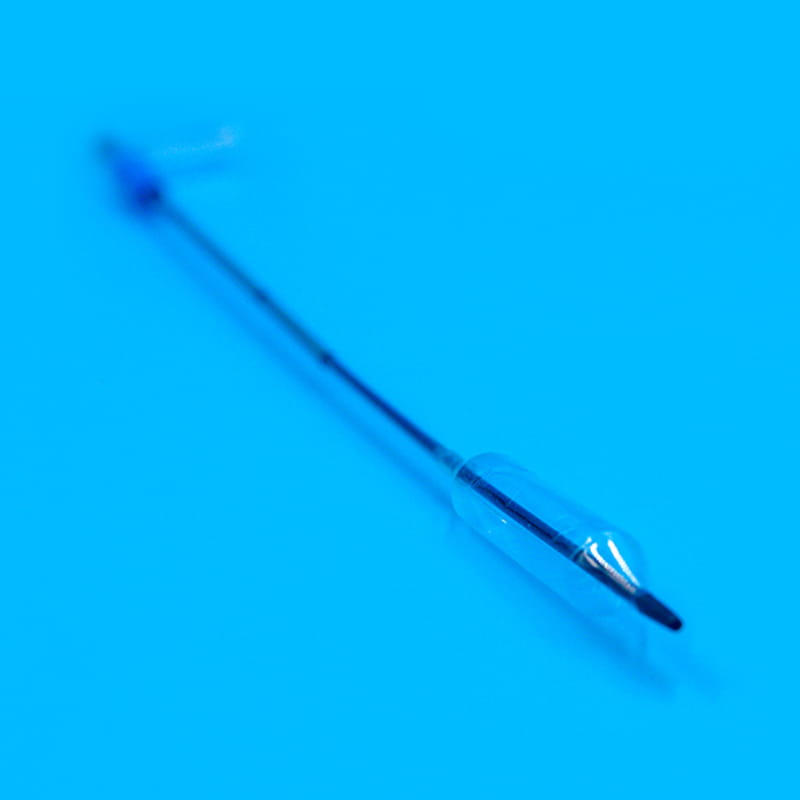
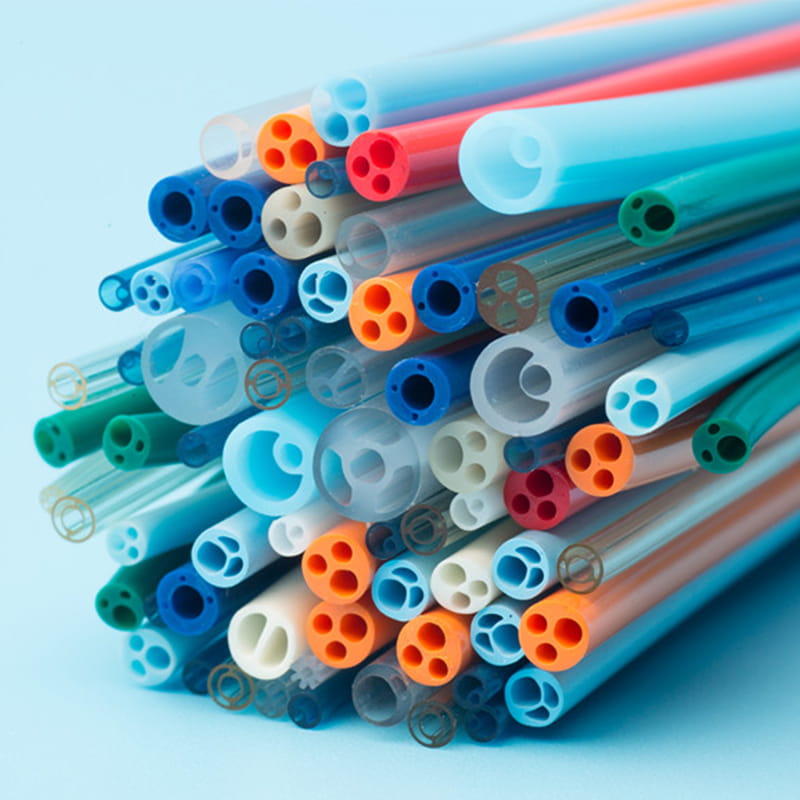
De Central Venous Catheter Kit Indeholder en række nøglekomponenter, som hver spiller en unik og uerstattelig rolle i hele den medicinske driftsproces. Den første er det centrale venekateter, som er kernekomponenten i kittet og er kanalen, der forbinder den centrale vene uden for kroppen og inde i kroppen. Dets materiale er normalt lavet af medicinsk kvalitet polyurethan eller silikone. Sådanne materialer har god biokompatibilitet og kan effektivt reducere kroppens afvisning af fremmedlegemer og reducere risikoen for komplikationer såsom infektion. Forskellige typer centrale venekateter har deres egne egenskaber i struktur og funktion. Enkelt-lumenkatetre er egnede til behov for enkelt behandling, mens dobbelt-lumen- eller multi-lumen-katetre kan udføre en række forskellige medicinske operationer på samme tid, såsom infusion, blodopsamling og lægemiddeladministration, hvilket i høj grad forbedrer effektiviteten og bekvemmeligheden ved medicinske operationer. Med hensyn til design behandles nogle kateteroverflader med specielle belægninger for yderligere at forbedre anti-thrombotiske egenskaber; Nogle er også markeret med skalaer for at lette medicinsk personale til nøjagtigt at forstå indsættelsesdybden.
De cannula plays a pioneering role in the central venous catheter kit. When performing a central venous catheter insertion operation, the cannula is first used for percutaneous puncture into the vein. Its needle tip adopts a bevel cutting process. This design is sharp and precise, and can quickly and accurately penetrate the skin and vein wall with minimal resistance, opening a channel for the entry of subsequent components. The needle core and outer sleeve of the cannula needle are closely matched. When the cannula needle successfully enters the vein, the inner needle core is removed through a special separation mechanism, and the outer sleeve with a certain hardness and flexibility will remain in the vein as a guide channel for subsequent guide wires and other components to enter. To ensure the accuracy of puncture, some cannula needles are also equipped with ultrasound guidance adapters, which can be used with ultrasound equipment to observe the puncture path and blood vessel status in real time.
De guidewire is a key tool for precise positioning and guidance in the central venous catheter kit. After the cannula needle establishes the initial channel, the guidewire will be sent into the vein through the cannula. The outer layer of the guidewire is usually woven from medical-grade stainless steel wire, and the inner layer is a nickel-titanium alloy core. This structure gives the guidewire good flexibility and maneuverability. Doctors can use the J-shaped or straight head design of the guidewire tip to flexibly turn and guide it in the blood vessel through in vitro operation, and accurately send it to the target position. Some high-end guidewires also have a hydrophilic coating, which becomes lubricated after contact with blood, further reducing friction damage to the inner wall of the blood vessel. The existence of the guidewire makes the insertion path of the central venous catheter clearer and more controllable, laying a solid foundation for the smooth insertion of the subsequent catheter.
De role of the dilator in the central venous catheter kit should not be ignored. Since the diameter of the vein is relatively thin, and the central venous catheter needs to be smoothly inserted, it is necessary to properly dilate the vein. The dilator usually adopts a conical or cylindrical design, and the material is mostly medical-grade polyethylene. It can enter the vein along the guidewire and expand the channel of the venous puncture site by gradually expanding. During the expansion process, the smooth surface treatment and gradual caliber design of the dilator can reduce damage to the venous tissue while ensuring effective expansion. For special patients, such as those with thin blood vessel walls or sclerosis, there are also special controllable dilators available, and doctors can accurately adjust the expansion strength and range according to actual conditions.
De peelable sheath is an important part of the central venous catheter kit to ensure the safe insertion of the catheter. After the dilator completes the dilation of the vein, the peelable sheath will be sent into the vein along the guidewire and dilator. The peelable sheath consists of two symmetrical half sheaths connected by a special locking structure in the middle. When the peelable sheath reaches the appropriate position, the central venous catheter will be inserted into the vein through the sheath. At this time, the medical staff will separate the peelable sheath from the middle lock and remove it from the body through a specific operation technique, while the central venous catheter will be left in the vein. This unique design not only ensures the smooth catheter insertion process, but also avoids unnecessary damage to the vein and catheter. To prevent accidental scratches on the surrounding tissue when the sheath is peeled off, the edge of the sheath is specially rounded and blunted.
De fixing device plays a role in stabilizing and fixing the catheter in the central venous catheter kit. In order to ensure that the central venous catheter can maintain a stable position in the patient's body for a long time without displacement or falling off, fixing devices such as sutures, sterile dressings or special catheter fixers will be used to fix the catheter to the patient's skin. The suture fixation method is suitable for patients with long-term catheterization. The catheter is fixed to the skin tissue through delicate suturing operations; the sterile dressing is breathable, waterproof and antibacterial, and can effectively protect the puncture site; the dedicated catheter fixator is made of medical-grade silicone or polymer materials, and can be personalized according to the patient's skin morphology and catheter model through an adjustable buckle design. Appropriate fixation can not only ensure the normal function of the catheter, but also reduce the discomfort and potential risks caused to the patient by the movement of the catheter.
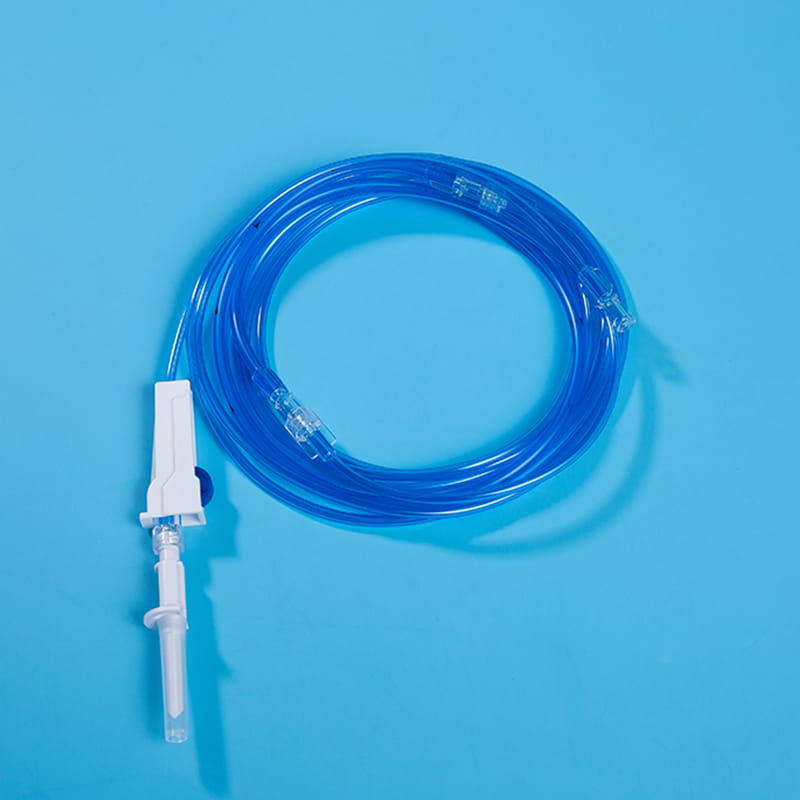
De interface for external connection is the bridge between the central venous catheter and external medical equipment. Through these interfaces, the central venous catheter can be connected to infusion sets, syringes and other equipment to achieve various medical operations such as infusion, drug administration, and blood collection. The design of these interfaces has good sealing and compatibility, and common ones include Luer connectors and needleless infusion connectors. The Luer connector is connected by threads to ensure a tight connection without leakage; the needleless infusion connector adopts a diaphragm design, which can complete the infusion operation without acupuncture, reducing the risk of infection. At the same time, some interfaces also have anti-backflow function to prevent blood from reflux and blocking the catheter, and support multiple devices to be connected at the same time to meet complex clinical needs.
Bred vifte af kliniske applikationsscenarier
I faktiske medicinske anvendelser er brugsscenarierne for centrale venekatetersæt meget brede. Inden for intensivpleje, for patienter med kritiske tilstande, der har brug for en stor mængde infusion og hyppig medicin, kan centrale venekatetre give en hurtig og stabil infusionskanal for at imødekomme patienters behov for væsker og lægemidler. Ved at tage patienter med septisk chok som et eksempel under redningsprocessen skal en stor mængde krystalloidvæske, kolloidvæske og vasoaktive lægemidler suppleres i en kort periode. Det centrale venekateter kan sikre, at disse væsker og medikamenter hurtigt kommer ind i blodcirkulationen og hurtigt korrigerer choktilstanden. På samme tid kan hæmodynamisk overvågning også udføres gennem det centrale venekateter. Lægen forbinder tryksensoren til katetergrænsefladen for at opnå parametre som centralt venøst tryk og lungearteriekiltryk i realtid, hvilket hjælper lægerne med at forstå patientens hjertefunktion og blodcirkulationsstatus i realtid og giver et vigtigt grundlag for formulering af nøjagtige behandlingsplaner.
Ved tumorbehandling er mange kemoterapimedicin meget irriterende for blodkar, og administration gennem perifere vener kan forårsage komplikationer såsom phlebitis. Det centrale venekateterkit kan placere et kateter i den centrale vene, hvilket gør det muligt for kemoterapimedicin mulighed for direkte at komme ind i de store blodkar og hurtigt fortyndes, hvilket reducerer irritation til blodkarene, hvilket reducerer sandsynligheden for komplikationer og forbedrer patienters behandlingstolerance og overholdelse. For eksempel kan brystkræftpatienter, der får meget irriterende kemoterapimedicin, såsom doxorubicin, bruge centrale venekateter til effektivt at undgå alvorlige konsekvenser, såsom hudnekrose og vævs ulceration forårsaget af lægemiddelekstravasation. På samme tid for patienter, der har brug for langvarig og flere kemoterapi, reducerer centrale venekatetre smerten ved gentagne punkteringer og forbedrer kontinuiteten i behandlingen.
I ernæringsstøttebehandling kan centrale venekateter bruges til total parenteral ernæringsstøtte til patienter, der ikke kan indtage nok ernæring gennem mave-tarmkanalen, såsom patienter med langvarig koma og alvorlige forbrændinger. At give højkoncentration, højt kalorieindholdsnæringsopløsning gennem den centrale vene kan imødekomme patientens krops behov for næringsstoffer og fremme patientens bedring. Ved at tage patienter med omfattende forbrændinger som et eksempel undertrykkes deres gastrointestinale funktion på grund af traumer, og de kan ikke fordøje og absorbere mad normalt. På dette tidspunkt gives den alt-i-en næringsopløsning, der indeholder aminosyrer, fedtemulsion, glukose og andre ingredienser gennem det centrale venekateter for at opretholde patientens nitrogenbalance, genopfylde den energi, der kræves af kroppen, og fremskynde sårheling. På samme tid kan medicinsk personale også overvåge patientens elektrolytter, blodsukker og andre indikatorer gennem det centrale venekateter og justere ernæringsstøtteplanen i tide.
Strenge og standardiserede driftsprocedurer
De operating procedures of the central venous catheter kit need to strictly follow the specifications and standards. Before the operation, the doctor needs to conduct a comprehensive assessment of the patient's condition, including the patient's age, weight, underlying diseases, coagulation function, etc., and select the appropriate puncture site and central venous catheter type. Common puncture sites include the internal jugular vein, subclavian vein and femoral vein. Different sites have their own advantages and disadvantages, and they need to be carefully selected according to the specific situation of the patient. At the same time, detailed explanations and communication should be given to the patient, and the patient should be informed of the operation process, possible risks and key points of cooperation to obtain the patient's cooperation. During the operation, the principle of aseptic operation must be strictly followed. The puncture site must be disinfected with iodine more than three times, and the diameter of the disinfection range must not be less than 15 cm. A large sterile sheet must be laid to ensure that the entire operation is carried out in a sterile environment. Then follow the steps of trocar puncture, guide wire insertion, dilation with a dilator, insertion of a removable sheath, insertion of a central venous catheter, fixation of the catheter, and connection of an external interface. Taking internal jugular vein puncture as an example, under ultrasound guidance, after determining the puncture point, the trocar is inserted at an angle of 30-45 degrees. After seeing the blood return, it is confirmed that it is in the vein, and then the subsequent components are inserted according to the process. After the operation is completed, the patient needs to be closely observed and cared for, and the patient must be monitored for complications and treated in a timely manner. This includes observing whether the puncture site is red, swollen, or exuded, and changing the dressing regularly; monitoring the patient's body temperature, blood routine, and other indicators to determine whether an infection has occurred; evaluating the function of the catheter to ensure smooth infusion, blood collection, and other operations.
Udfordringer og risici
Selvom centrale venekatetersæt spiller en vigtig rolle inden for det medicinske område, står de også over for nogle udfordringer og risici under brug. Infektion er en af de mest almindelige komplikationer af centrale venekateter. Da kateteret efterlades i kroppen i lang tid, er det let for bakterier og andre mikroorganismer at invadere, hvilket forårsager lokal infektion eller systemisk infektion. Bakterier kommer hovedsageligt ind i kroppen gennem hudkolonisering på punkteringsstedet, kontaminering af kateterstikket og forurening af infusionssystemet. Trombose er også et problem, der ikke kan ignoreres. Kateteret kan stimulere det vaskulære endotel i blodkaret, hvilket forårsager ændringer i blodkoagulation og danner derved en thrombus. Når trombenet falder af, kan det forårsage alvorlige komplikationer såsom lungeemboli. Derudover kan problemer såsom kateterblokering og forskydning også påvirke den normale anvendelse og behandlingseffekt af det centrale venekateter. Kateterblokering kan være forårsaget af lægemiddelaflejring, blodkoagulation osv.; Kateterforskydning kan være relateret til faktorer såsom forkert patientaktivitet og løs fiksering.
For more information, please call us at +86-18913710126 or email us at .
Polyimidslanger er blevet uundværlige i moderne medicinsk udstyrsteknik. Fra minimalt inva...
Forståelse af FEP Guidewire Protective Sheath Tubing Minimalt invasive medicinske...
A medicinsk peristaltisk pumpeslange er en specialiseret væskeoverførselskomponent ...
Udviklingen af katetervisualiseringsteknologi Minimalt invasive procedurer har fundament...
Forståelse af medicinske katetre i moderne sundhedspleje Medicinsk udstyr har revolution...
Et lige kateter når det meste af luftvejene, men den sidste centimeter ind i en trakeostomig...